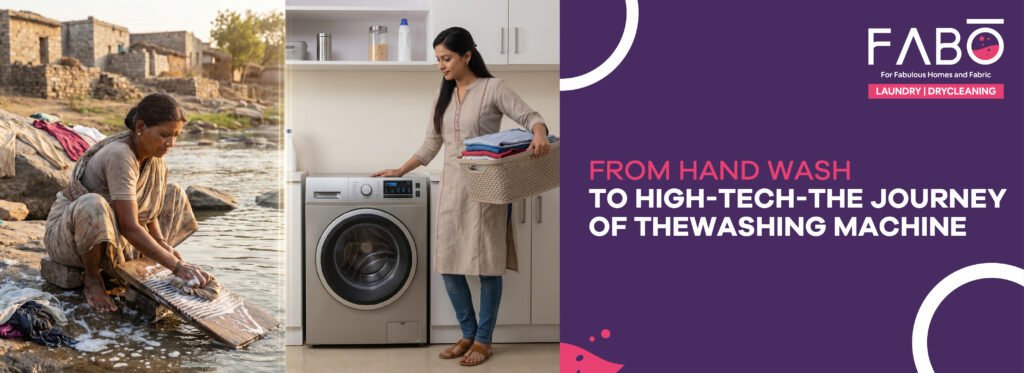
It’s strange to think that something as ordinary as washing clothes used to take up an entire day. Not long ago, it meant bending over a river, or scrubbing against a rough board with hands that probably never felt fully clean. There’s something almost quiet about that image, slow, repetitive, a bit tiring. Clothes didn’t just get washed; they were worked on. That beginning feels far away now, but it matters. The story of washing machines isn’t really about machines at first. It’s about effort. About people trying to make a hard, everyday task just a little easier. That’s where the whole electric washing machine history quietly begins, even before electricity shows up.
When Machines First Tried To Help
The early machines weren’t impressive by today’s standards. Some were hand-cranked, others used simple mechanical parts that moved water and clothes around. They weren’t exactly convenient, but they were a step forward. Something shifted here. Work that depended only on human strength started sharing the load with a device. It’s easy to imagine someone standing next to one of those early machines, unsure if it was really saving time or just changing the kind of effort needed. But even then, there must have been a small sense of relief, less scrubbing, less strain.
When electricity entered the picture, things started to feel different. The machines began to take over more of the process, not just assist with it. That’s when the idea of washing clothes slowly moved from labor to something closer to a routine. We at FABO take this evolution forward by combining modern machines with expert handling, ensuring every garment gets care that feels both advanced and thoughtful.
The Quiet Rise Of Convenience
At some point, washing machines stopped being unusual. They became part of the home, almost unnoticed. A quiet box that spins, fills, drains, and finishes a task without much attention. This is where things get interesting. The goal wasn’t just to wash clothes anymore. It was to save time, to reduce thinking about the process altogether. That’s where time-saving laundry technology started shaping the way these machines were built. Instead of asking how clean clothes could get, designers began asking how little effort it could take. Buttons replaced levers. Programs replaced guesswork. The machine started making decisions on its own, in a way.
There’s something slightly odd about that shift. A task that once required full attention became something done in the background. Clothes go in, and life moves on. We’ve shaped our services around this very idea, reducing effort for you through reliable pickup, professional cleaning, and seamless delivery that fits into everyday life.
When Technology Got Smarter Than Expected
The modern washing machine doesn’t just wash. It senses, adjusts, calculates. It knows how much water to use, how long to run, even how heavy the load feels. That’s where technological advances in laundry really start to show. And then there are smart washing machines, which seem almost like a different category altogether. They connect to phones, send notifications, and sometimes even suggest the best cycle. It’s not just about clean clothes anymore. It’s about control, even when not standing in front of the machine.
But there’s a small question that comes with that. At what point does convenience become something else? When a machine knows this much, does it feel helpful, or just unnecessary? Still, it’s hard to ignore the comfort. Clothes get cleaned while attention goes elsewhere. That’s not a small thing.
The Shift Toward High-Tech Living
The idea of high-tech laundry solutions might have sounded excessive at one time. Washing clothes didn’t seem like something that needed innovation beyond a certain point. And yet, here it is. Machines now aim to save water, reduce energy use, and protect fabrics better than before. Some even try to predict needs, learning patterns over time. It’s not just about ease anymore. It’s about efficiency and sustainability, though those words sometimes feel bigger than the simple act of washing a shirt.
There’s also a quiet expectation now. Once something becomes easier, it’s hard to go back. The thought of spending hours hand-washing clothes feels almost impossible to imagine, even though it wasn’t that long ago in the grand scheme of things. Progress doesn’t always feel dramatic. Sometimes it just settles in, and suddenly, it’s normal.
What This Journey Really Shows
Looking at this whole journey, it’s not really about machines becoming more advanced. It’s about how everyday life changes without much notice. Something as simple as washing clothes slowly turned into a reflection of how people value time and effort. There’s a pattern here. First, a problem exists. Then, a solution appears. Then that solution improves until it feels invisible. Washing machines followed that path quietly, without much attention compared to other inventions. And maybe that’s what makes it interesting. Not the technology itself, but how it reshaped a small part of daily life. Less effort, less time, fewer thoughts spent on something that once demanded a lot.
How We Bring Modern Laundry Convenience To Your Door
At FABO, we’ve taken everything laundry has evolved into and made it feel simple again. We use advanced, woolmark-approved machines and gentle, organic detergents to care for every fabric the right way. From everyday clothes to blankets, leather items, and home furnishings, everything is handled with attention. What really makes a difference, though, is how easy it feels, you don’t have to step out or plan around laundry. We offer free pickup and delivery, so your clothes move through a professional cleaning process without interrupting your day. It’s not just about washing better, but about making the whole experience smoother and more dependable.
Final Words
So now, washing machines sit in homes, doing their job without much recognition. From hand scrubbing to connected devices, the change feels both big and somehow easy to overlook. It’s not really about whether the machines needed to become this advanced. They just did, step by step, following the same human habit of trying to make things easier. And maybe that’s the real thread running through all of it. Not the machines, but the quiet push toward less effort and more time for something else. Clothes still get dirty. They still need to be cleaned. That part hasn’t changed, only the way it happens has.